
Writing a Birth Plan That Can Bend
A birth plan is not a script for a day you cannot control. It is a short list of priorities, plus a note on what you would trade.
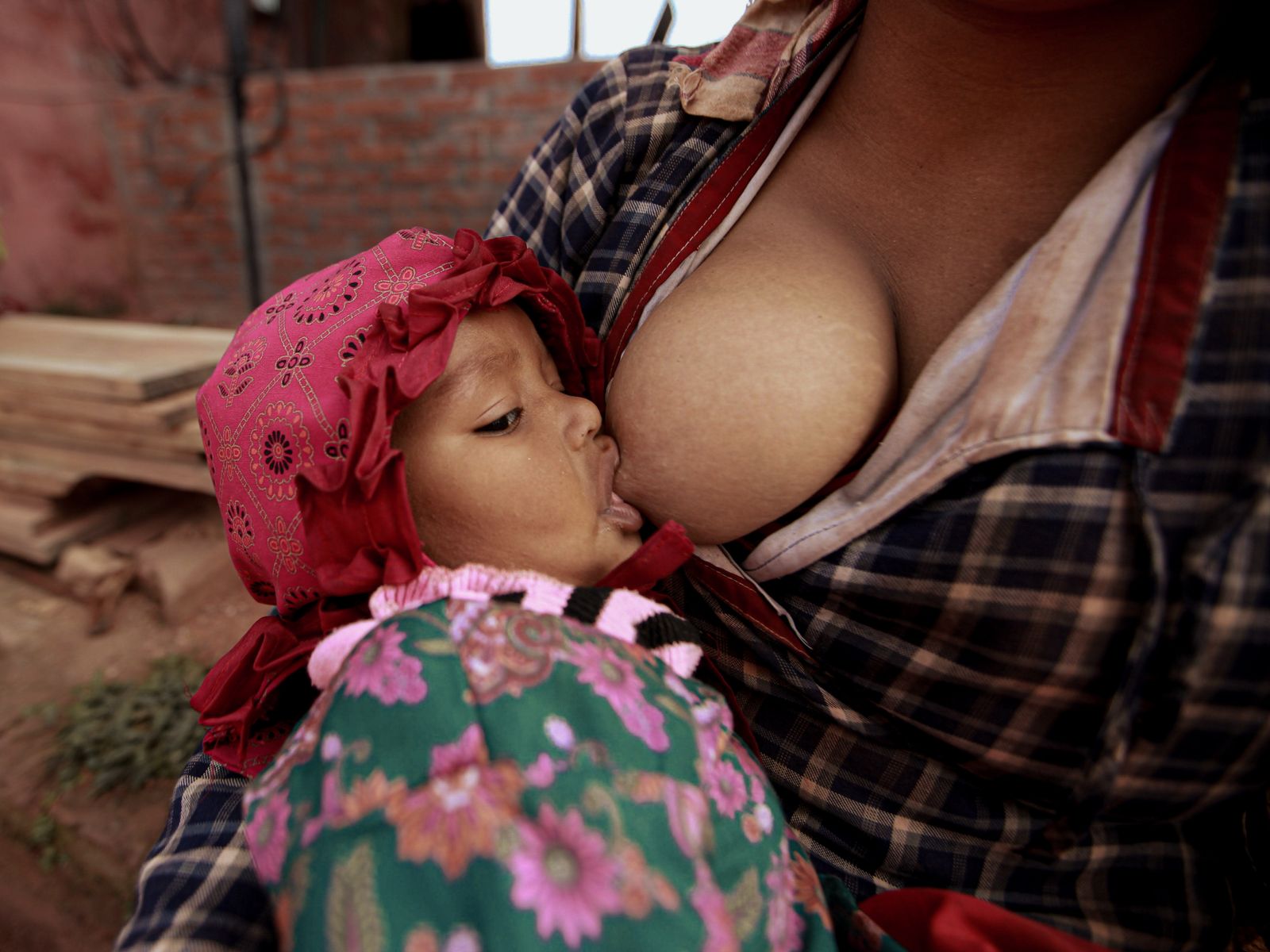
The most useful birth plan I have read was half a page long. It said what mattered, in order, and what the writer was willing to trade if things changed. It was also the plan that came closest to being followed, because the midwife could hold it in her head.
Rank your priorities instead of listing demands
Three or four items, ranked, beats twenty. Mine might read: uninterrupted time with the baby after birth, then avoiding an epidural if there is a reasonable alternative, then freedom to move and eat, then anything else. When you rank, everyone in the room knows what to protect first when a decision has to be made quickly.
- First choice, second choice, and what you would accept under pressure.
- Who speaks for you if you cannot, and how they know what you want.
- Anything you would like to avoid, phrased as a preference rather than a prohibition.
- One practical request, such as a dim room or your own music.
Write the page you would want someone else to read aloud
Keep it to one side of A4, large enough to read from a metre away, and make copies. Hand one to your midwife at the start of labour rather than at the point of a decision, and mention out loud that you know plans change. That sentence, said early, changes the tone of the whole room: it tells everyone you are a reasonable person who will not feel betrayed if the plan bends.
Then add a second page for afterwards, the one people forget. Who holds the baby while you shower, what you want to be told first, whether you want photographs, and how you would like to be spoken to if something goes wrong. The hours after birth are where a birth plan does the most good.
Written by
MudLittle Contributor
MudLittle, LLC contributor