The First 1000 Days: Why They Shape a Lifetime
From conception to a child's second birthday, a window opens that shapes what follows: health, brain, and how a person meets the world.


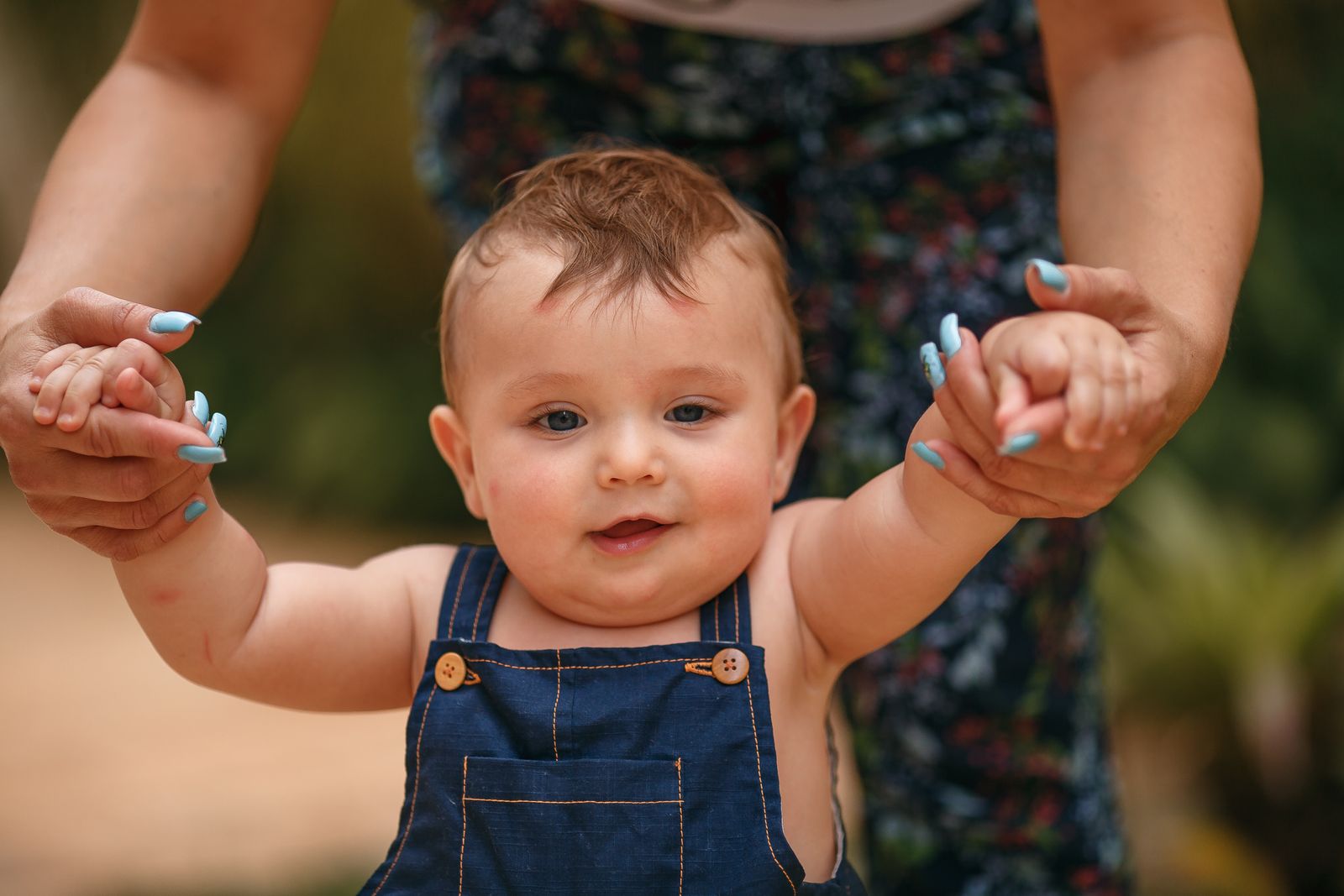
There is a phrase that has traveled from research labs into parenting books, and it deserves to be understood rather than simply repeated: the first 1000 days. It counts from the start of pregnancy to a child's second birthday, and it marks the most rapid period of growth the human body and brain will ever go through.
What makes these days so consequential is not that anything irreversible happens in a single afternoon, but that the architecture of a life is being laid down at extraordinary speed. Neural connections form at a rate of more than a million per second in the early months. The body is building its immune map, its gut microbiome, and the metabolic settings it will carry for decades, all from the raw materials of nourishment, warmth, and attention.
A foundation, not a verdict
It is easy to hear 'first 1000 days' and feel a spike of pressure, as if a missed nap or a single skipped vegetable could seal a child's fate. That is not what the science says. The research describes a period of heightened sensitivity, not a closing door. What it asks for is steadiness, not perfection.
The first 1000 days are not a test you pass or fail. They are a foundation you help pour, one ordinary day at a time.
The distinction matters because pressure tends to backfire. Parents who believe every decision is make-or-break burn out, and burnout is itself bad for development. The steadier, more forgiving reading of the evidence is also the more accurate one: the brain remains plastic, the body remains responsive, and small consistent inputs compound across thousands of days.
What actually matters
Across dozens of studies and several major reviews, a handful of consistent themes emerge, and none of them require expensive equipment or a perfect routine. The common thread is relationship, not regimen.
- Responsive, warm interaction. The single most powerful brain-builder is a caregiver who notices and answers a baby's signals, a returned smile, a narrated diaper change, a pause to listen.
- Nourishment that grows with the child. Pregnancy nutrition, breastfeeding where possible, and a thoughtful, allergen-aware transition to family foods.
- Protected sleep. The brain does much of its wiring work while a baby is asleep; sleep is when that work happens.
- A calm, predictable environment. Stress regulation in caregivers passes to the baby, in both directions, which is why supporting parents counts as pediatric care.

The biology, briefly
Underneath the practical advice sits a remarkable biology. In the third trimester and the first two years, synaptogenesis, the formation of connections between neurons, runs at a pace the brain will never again match. Experiences literally shape which connections are reinforced and which are pruned. This is the 'use it or lose it' principle in its gentlest form: what a baby repeatedly experiences becomes the scaffold for what they will later find easy.
In parallel, the gut microbiome is being seeded, partly through birth and partly through feeding. A diverse, fiber-rich maternal and infant diet is associated with a more resilient immune profile, one reason the early feeding conversation is about more than calories. None of this requires a clinic; most of it happens at the kitchen table.
When things are hard
The first 1000 days are also when many families face their greatest strain, financial pressure, sleep deprivation, and the quiet weight of a new identity. The same research that highlights the importance of this window also finds that parental mental health is one of the strongest predictors of child outcomes. Support counts as part of the intervention.
Asking for help is not a sign that you are failing the first 1000 days. It is one of the ways you pass them.
Why plasticity is the kindest word
The word that should travel with 'first 1000 days' far more often than it does is plasticity. The same brain that is so responsive in this window does not lose its responsiveness after it. The research on resilience is clear that later experiences, relationships, and interventions can and do reshape development. The foundation keeps being poured. A hard start does not settle the outcome.
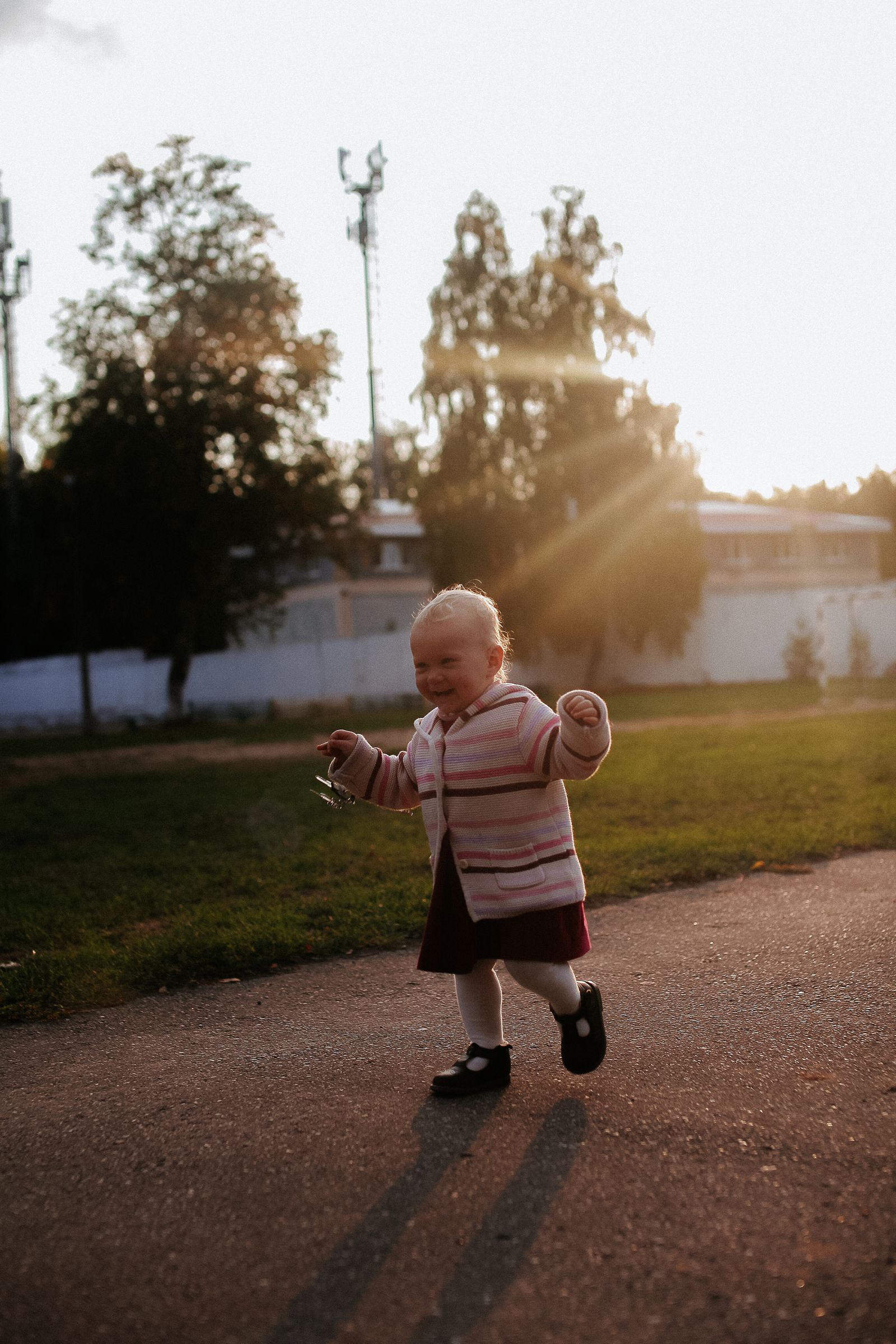
This is the single most important correction to the way the phrase is sometimes used. It describes a period when the returns on ordinary, responsive care are especially high. The returns continue after it. A child whose first 1000 days were rocky is not behind in a race that is over; they are a child whose brain is still, and will remain, responsive to the next caring adult who shows up.
- Plasticity means the brain keeps responding to good care after the window, too.
- A hard start does not decide the outcome; later care still changes it.
- The window raises the returns on ordinary care; it does not close the door on later care.
- Resilience research consistently finds that one stable later relationship can reroute development.
The long view
The children who do best are not the ones with the most carefully curated first 1000 days. They are the ones who grow up surrounded by adults who kept showing up: tired, uncertain, sometimes wrong, but present. The days matter. So does the forgiveness between them.
If you take one thing from the research, let it be this: the small, repetitive acts of care are not small. They are the work. And they are enough.
References & further reading
Sources cited in this article. We link to peer-reviewed research and reputable guidance wherever possible.
- 1.
Cusick, S. E., & Georgieff, M. K. (2016). The first 1,000 days of life: The brain's window of opportunity. UNICEF Office of Research, Innocenti.
- 2.
Black, M. M., Walker, S. P., Fernald, L. C. H., et al. (2017). Early childhood development coming of age: science through the life course. The Lancet, 389(10064), 77–90.
- 3.
World Health Organization. (2018). Nurturing the health and wealth of nations: the investment case for breastfeeding and the First 1000 Days. WHO.
- 4.
Center on the Developing Child at Harvard University. (2016). From best practices to breakthrough impacts: a science-based approach to building a more promising future for young children and families.
- 5.
Masten, A. S. (2018). Resilience theory and research on children and families: past, present, and promise. Journal of Family Theory & Review, 10(1), 12–24.
Written by
MudLittle Contributor
MudLittle, LLC contributor