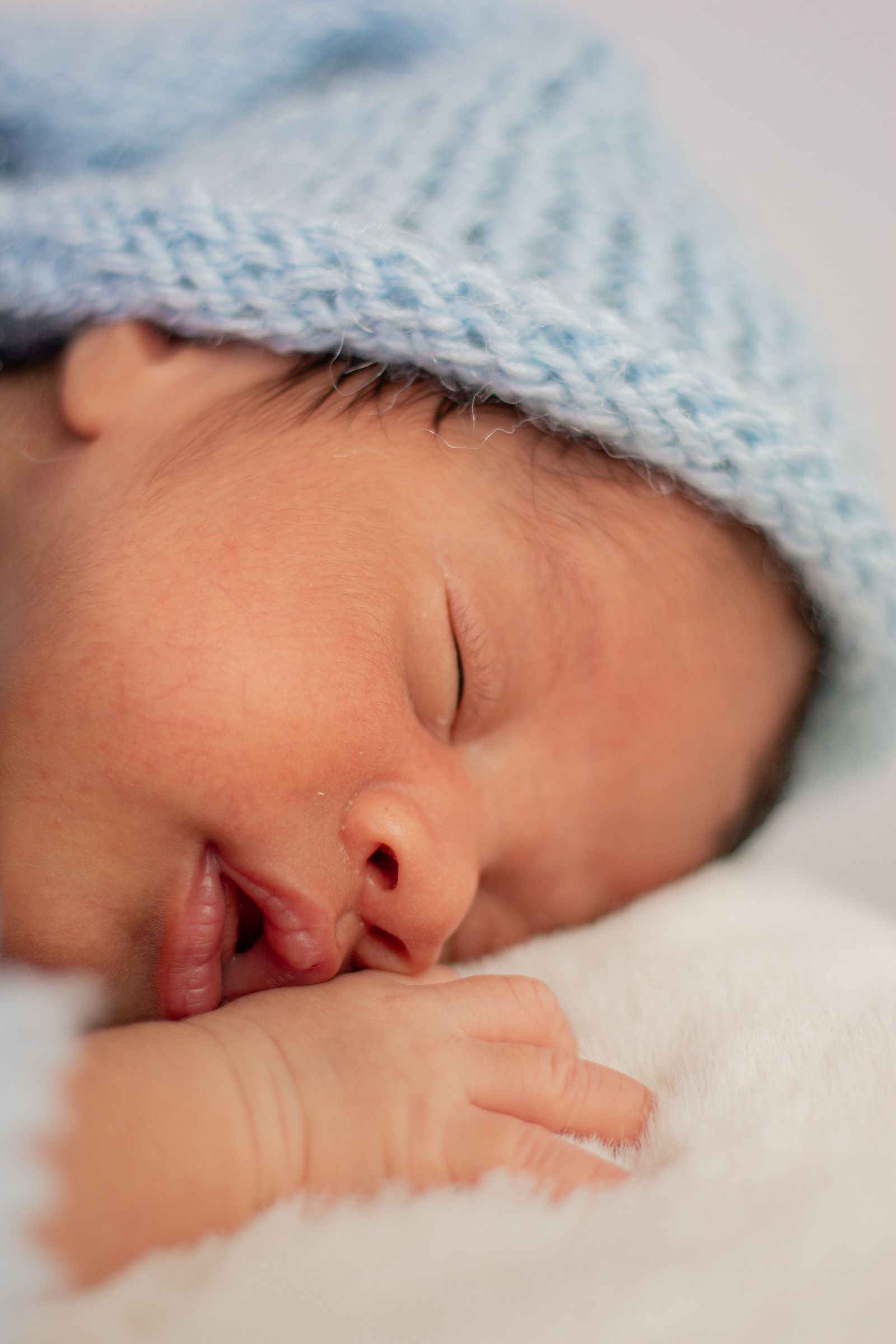
The Quiet Power of a Bedtime Routine
A predictable sequence of small acts is one of the most studied, most effective tools in all of pediatric sleep. Here's why it works.
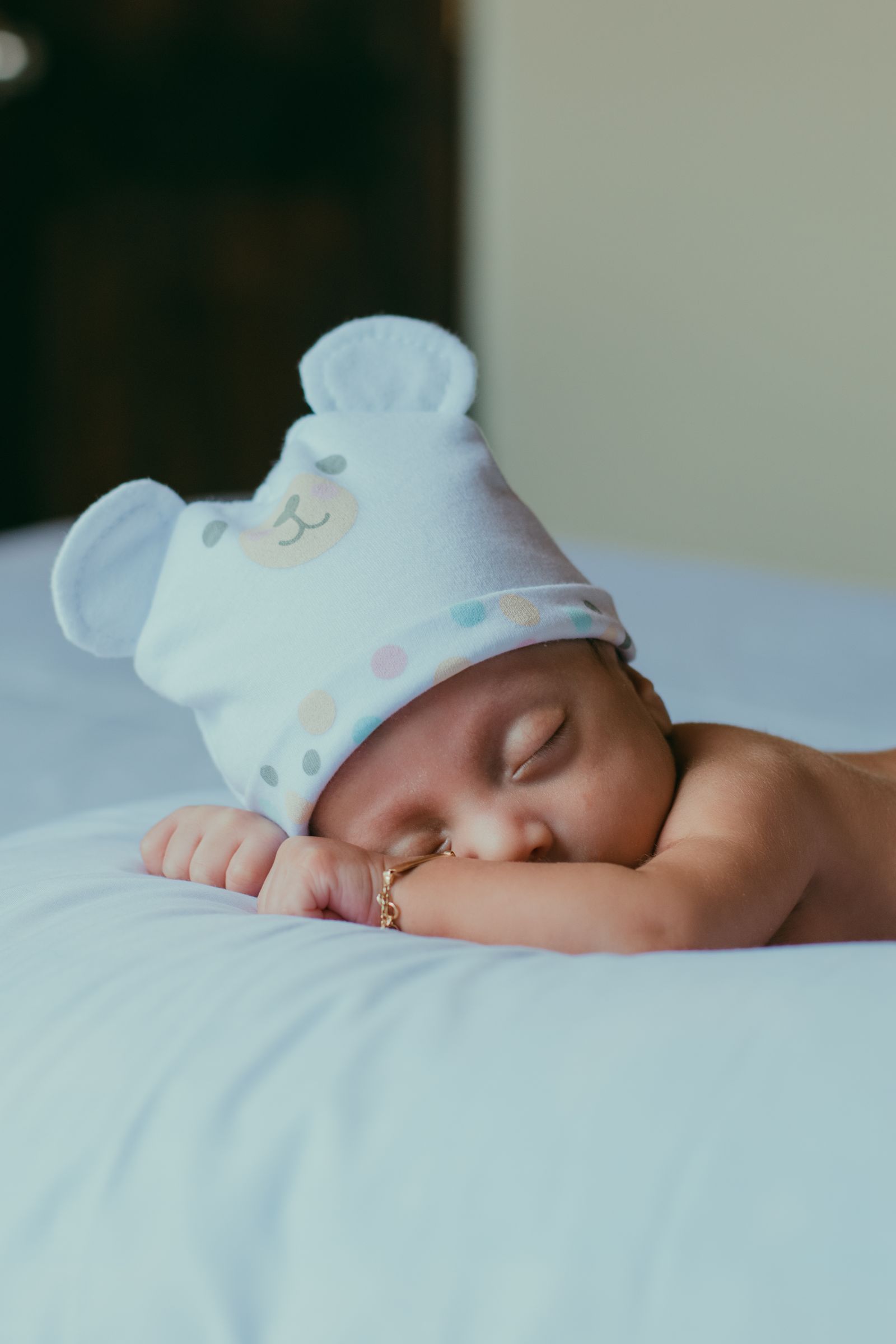
If there is one intervention in pediatric sleep that every study agrees on, it is this: a consistent bedtime routine improves how fast a baby falls asleep, how long they sleep, and how often they wake. It costs nothing, and it works across cultures, ages, and temperaments.
Why a routine works
A routine works because it is a signal. The infant nervous system is bad at clocks and excellent at sequences. The same three or four acts, in the same order, every night, tells the brain that sleep is coming, so it begins to downshift before you ever ask for it.
The routine isn't the wind-down. The routine is what teaches the brain to wind itself down.
What a good routine actually is
It does not need to be long or elaborate. The research finds that twenty to thirty minutes is the sweet spot, and that the content matters less than the consistency. Bath, feed, book, sleep is a classic for a reason, it moves from active to quiet to still.
- Keep it short, twenty to thirty minutes is enough.
- Same order, every night. The sequence is the signal.
- Dim the lights toward the end. Darkness is the chemical cue.
- End in the sleep place, not somewhere you'll move them from.
The power of a routine is that it slowly hands the job of falling asleep from you to the baby. One night you are rocking them down; months later, the same sequence is doing the work without you. That is the whole point.
The order matters more than the acts
The detail that families most often get backwards is putting the most stimulating step last. A feed, a book, and then a lively bath leaves a baby freshly aroused at the moment you want stillness, the opposite of the sequence the nervous system needs. The reliable shape is active-to-quiet-to-still: the warmer, more engaging steps first, the dimming and the stillness last, so that the final thing the baby experiences before sleep is calm, not stimulation.
This is also why the feed, for many families, sits near the start or middle of the routine rather than the very end, not because feeding to sleep is forbidden, but because separating the feed from the final moment of sleep is what eventually lets the baby fall asleep without it. If the feed is the last thing, the feed becomes the sleep association; if the book or the song is the last thing, that becomes the association, and a song is easier to fade than a feed. None of this is a rule; it is a lever, and pulling it gently over weeks is what turns a routine into independence.
- Order the routine active → quiet → still; never stimulating last.
- A bath before the feed, not after, keeps the last step calm.
- Ending with a book or song builds a sleep association that is easy to fade.
- The same final step every night is the cue the brain locks onto.
References & further reading
Sources cited in this article. We link to peer-reviewed research and reputable guidance wherever possible.
- 1.
Mindell, J. A., et al. (2015). Bedtime routines as a family-level process. Sleep Medicine Reviews, 23, 55–61.
- 2.
Stapleton, F. R., et al. (2007). The effect of a bedtime routine on infant sleep. Sleep, 30(5), 599–606.
- 3.
American Academy of Sleep Medicine. (2016). Consensus statement on pediatric sleep recommendations. Journal of Clinical Sleep Medicine.
- 4.
Mindell, J. A., & Williamson, A. A. (2018). Benefits of a bedtime routine in young children. Sleep, 41(3), zsy055.
Written by
MudLittle Contributor
MudLittle, LLC contributor