Vaccines: What the Schedule Is Actually Protecting Against
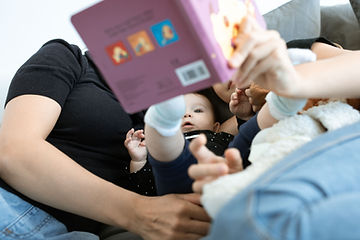
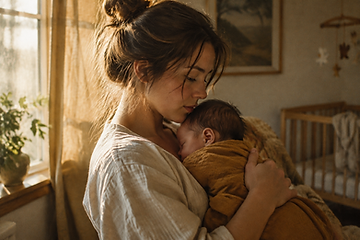
The immunization schedule can look arbitrary. It is a sequence built around the weeks when babies are most vulnerable.

The childhood immunization schedule is one of the most carefully studied public health interventions in history, and one of the most questioned by new parents. The questions deserve real answers, not dismissal. Understanding what each vaccine protects against, and why the timing is what it is, is the best way to make peace with the schedule.
Why the timing matters
The schedule is not arbitrary. Each vaccine is timed to when a child is most vulnerable to that disease and when their immune system can respond most effectively. Some diseases are most dangerous in the first months, so protection begins early; others are timed to when maternal antibodies, passed in pregnancy, begin to fade. The sequence is the result of decades of epidemiology and immunology.
The schedule is not a list. It is a sequence, each dose placed at the moment a child is most vulnerable and best able to respond.
What the major vaccines protect against
The diseases on the schedule are not historical curiosities. Pertussis still circulates and can be fatal to infants. Measles is one of the most contagious diseases known and remains a real risk where vaccination rates dip. Polio, while rare, has no cure. Haemophilus influenzae type b and pneumococcal disease caused meningitis and blood infections in thousands of children before their vaccines. The schedule exists because these diseases are still present, and still dangerous to the very young.
- Pertussis (whooping cough) is most dangerous to infants under six months.
- Measles is extraordinarily contagious and can cause severe complications.
- Rotavirus vaccine prevents a leading cause of severe infant diarrhea.
- Hib and pneumococcal vaccines prevent meningitis and bloodstream infections.
- Maternal antibodies fade by around six months, the schedule fills the gap.
The safety question
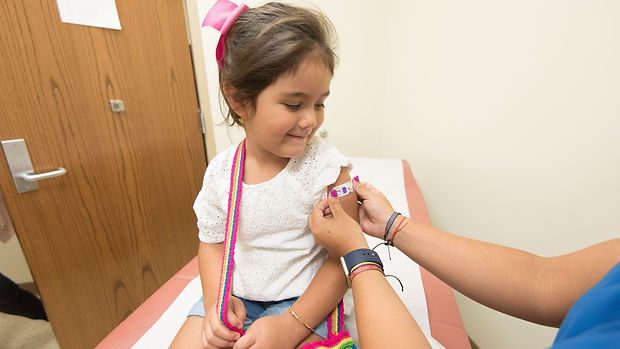
Vaccines are among the most studied medical interventions, and the evidence on their safety is overwhelming. The most rigorous studies, including large, long-term follow-ups, have found no link between vaccines and the developmental conditions parents worry about. Side effects exist: fever, fussiness, soreness, and, rarely, allergic reactions. They are tracked, disclosed, and overwhelmingly mild. The risk of the diseases they prevent is, by any measure, far greater.

The maternal antibody handoff
The piece of the schedule that makes the most sense once you see it is the race against maternal antibodies. During pregnancy, a baby receives antibodies from the parent through the placenta, which provide a real but fading shield for roughly the first six months. The schedule is engineered to build the child's own immunity in the gap as that borrowed shield wanes, early enough to catch the window of greatest vulnerability, late enough that the child's immune system can mount a lasting response.
This is also why the timing is not flexible in the way a 'just delay it a little' approach assumes. A delayed dose leaves a gap in protection during exactly the weeks the child's borrowed antibodies have faded and their own have not yet been built. The early timing is what makes the schedule protective. Understanding that handoff is what turns the schedule from a list of dates into a plan that makes sense.
- Maternal antibodies protect for roughly six months, then fade.
- The schedule builds the child's own immunity in the gap as the shield wanes.
- A delayed dose is a gap in protection, not a dose given later to the same effect.
- The early timing is the protection, not arbitrary caution.
The decision that matters most
The most useful framing is this: the schedule rests on the distilled result of millions of children's worth of data. Asking questions is reasonable; the answers exist. The decision that matters most is not whether to follow the schedule, but to do so on time, because the timing is the protection.
References & further reading
Sources cited in this article. We link to peer-reviewed research and reputable guidance wherever possible.
- 1.
Omer, S. B., et al. (2009). Vaccine refusal, mandatory immunization, and the risks of vaccine-preventable diseases. New England Journal of Medicine, 360(19), 1981–1988.
- 2.
Maglione, M. A., et al. (2014). Safety of vaccines used for routine immunization of US children: a systematic review. Pediatrics, 134(2), 325–337.
- 3.
Centers for Disease Control and Prevention. (2023). Recommended immunization schedule for children and adolescents. CDC.
- 4.
Leuridan, E., & Van Damme, P. (2007). Passive transmission of maternal antibodies and the design of vaccination schedules. Vaccine, 25(33), 6144–6150.
Written by
MudLittle Contributor
MudLittle, LLC contributor